
Emergency Roof Leak Solutions in St Petersburg, Florida
Nov 10, 2026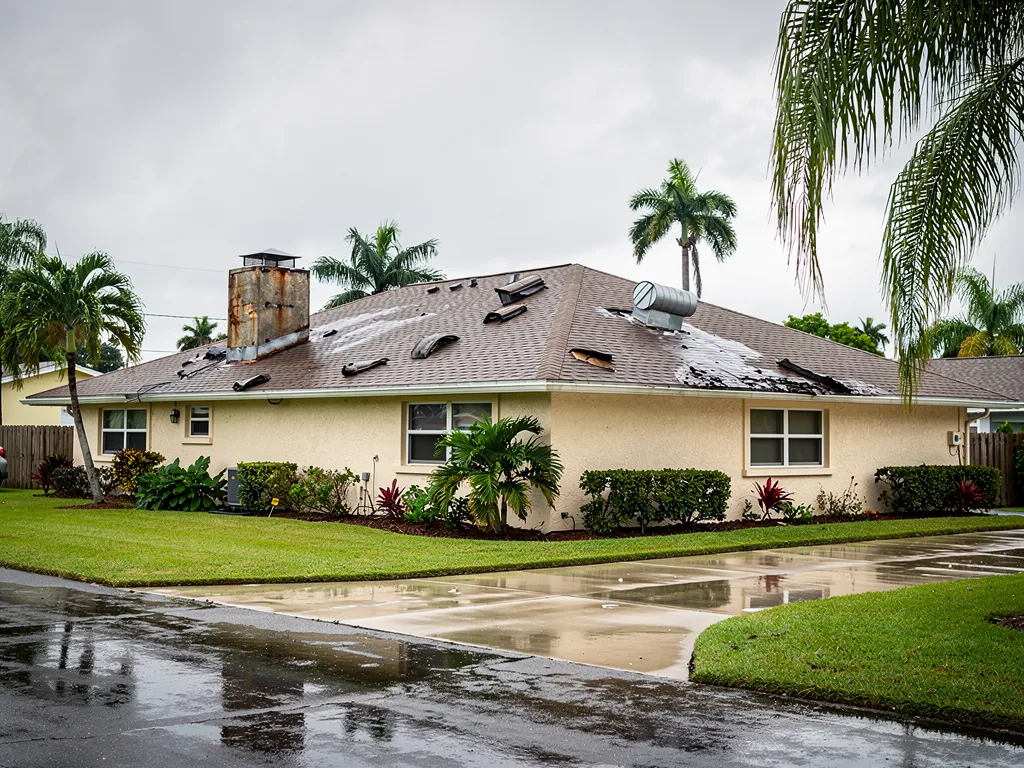
St. Petersburg homeowners facing an active roof leak should first contain interior damage with buckets and towels, then call Roofing.co. Roofing.co offers a range of services including roof replacement, repair, inspection, and installation. Ceiling stains in Florida homes routinely appear six to ten feet downslope from the actual roof breach. The company provides a written summary of what failed and what fixes it.
What causes emergency roof leaks in St. Petersburg?
St. Petersburg roofs fail most dramatically during June thunderstorms and tropical systems. A roof that stays dry in a normal shower but drips during these intense events reveals specific entry points that demand immediate attention. Homeowners who ignore these warning signs risk structural rot, mold colonization, and ceiling collapse within days of the first drip.
Where does water enter during a St. Petersburg storm?
Water rarely enters where the ceiling stain appears. The actual breach sits six to ten feet upslope, hidden beneath shingles or flashing. Storm-driven rain exploits four primary entry points:
- Under the drip edge, where wind-driven rain pushes water upward and behind the metal flashing at the roof perimeter
- Through soffit or gable vents, when horizontal rainfall overwhelms vent covers designed for vertical drainage
- At wall flashings without kick-out diverters, allowing water to run behind siding and into the wall cavity
- At valleys that overflow only at high volume, where two roof planes channel concentrated water that exceeds the valley metal’s capacity
How does storm damage create emergency leaks?
Wind-lifted shingles expose underlayment and decking to direct rainfall. Once the adhesive seal breaks on even a few shingles, water penetrates the roof assembly within minutes of the next downpour. Roofing.co brings over 20 years of industry experience to storm damage repairs across Central Florida. The company’s expertise extends to soffit and fascia installations, addressing the very components that storms compromise first. A professional inspection after any named storm identifies these vulnerabilities before the next weather system arrives.
How can I stop a roof leak immediately?
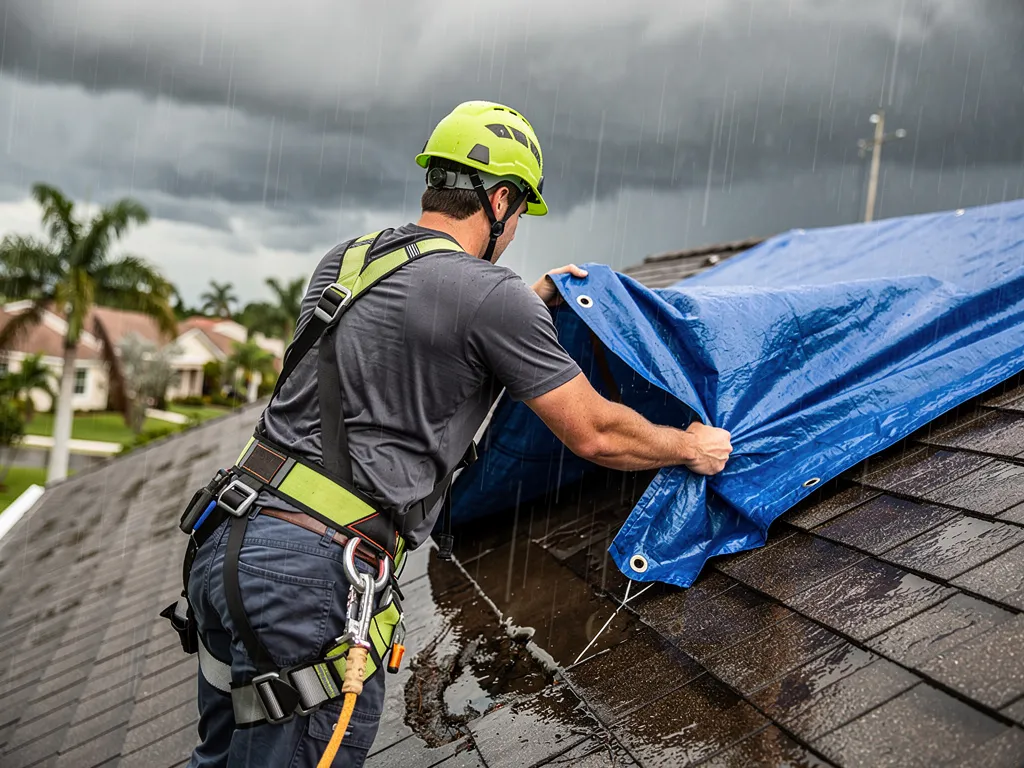
Stopping a roof leak immediately requires containing the water inside the home and then covering the exterior penetration. A roof leak in St. Petersburg rarely shows itself where the water enters. Water travels along rafters and decking before reaching the ceiling. Homeowners must act fast to prevent structural rot and mold growth.
What should I do inside the house when I spot a leak?
The first priority is damage control. Place a bucket under the active drip to catch water. Puncture a small hole in the sagging ceiling drywall with a screwdriver. This releases trapped water in a controlled stream rather than letting the bulge collapse. Move furniture and electronics away from the wet area immediately.
How do I cover the leak from the outside?
Temporary exterior coverage stops water entry at the source. Follow these steps in order:
- Identify the general leak zone from inside the attic by tracing water stains upward along rafters.
- Identify the leak zone from the attic without climbing onto the roof.
- Cover the suspected entry area with a heavy-duty tarp, extending it at least four feet past the ridge.
- Secure the tarp edges with 2×4 wood strips nailed flat, never directly into the shingles.
Professional roofers trace the leak back to the real entry point. Common culprits include a torn underlayment lap, failed step flashing, or a cracked boot around a vent pipe. These hidden failures demand expert repair, not just a patch over the stain.
When should I call a professional for an emergency roof leak solution?
Call a professional immediately after placing the tarp. Roofing.co offers roof repair services using high-quality materials from industry-leading manufacturers. The company’s transparent methods and educational approach ensure homeowners are never left in the dark about their roofing projects. A full inspection often reveals damage that a temporary cover cannot fix. Homeowners considering a more permanent fix can explore a roof replacement in St. Pete when leaks become chronic. Delaying a professional assessment risks insulation saturation and rafter decay that multiplies repair costs.
When should I call an emergency roofer?
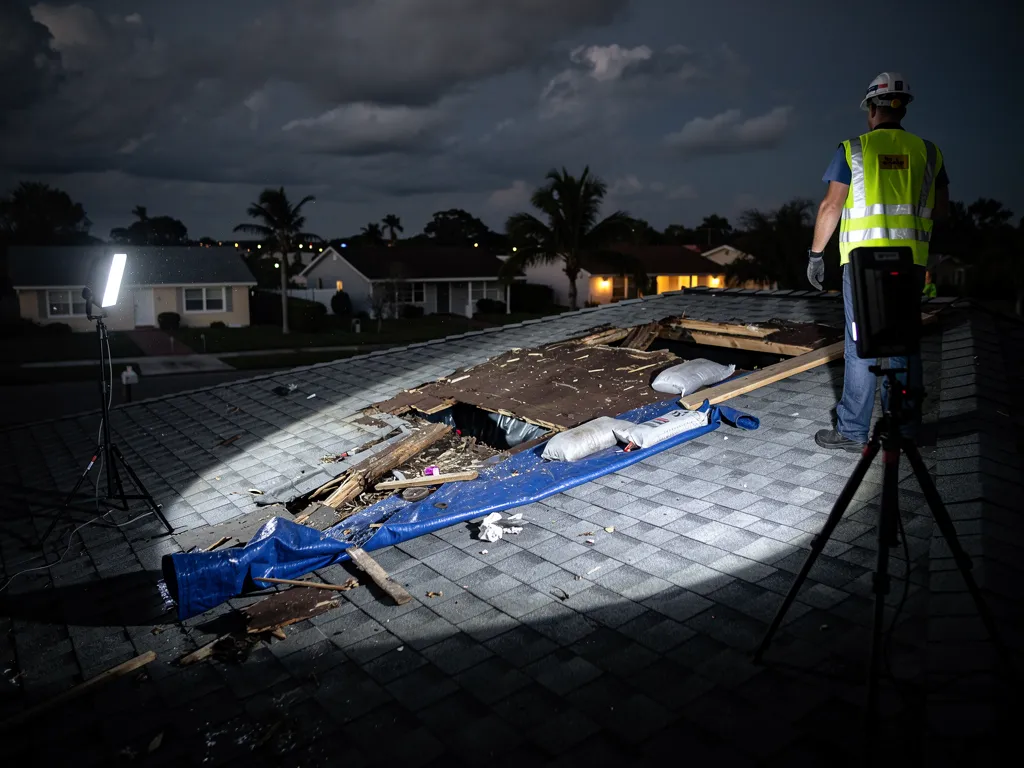
A St. Petersburg homeowner calls an emergency roofer the moment water breaches the building envelope during a storm or an active leak appears. Waiting even a few hours turns a small ceiling stain into widespread drywall collapse and mold growth.
What counts as a true roofing emergency in St. Petersburg?
A true emergency involves water actively entering the home. That includes a ceiling leak spreading across a bedroom, shingles torn away after a windstorm, or a tree limb puncturing the roof deck. A few missing granules or a minor drip around a skylight rarely demands an after-hours call. St. Petersburg’s summer squalls accelerate damage quickly. Emergency roof leak solutions near me dispatch crews within hours, not days, because tropical moisture destroys insulation and wiring fast. One roofer documents everything for the insurance claim before starting work. That documentation proves the cause was sudden, not a maintenance failure. Without it, a homeowner loses thousands in denied coverage.
Are 24-hour roofers actually available in St. Petersburg?
Licensed contractors across Central Florida run genuine 24/7 emergency services for active leaks and severe storm damage. Technicians arrive with tarps, fasteners, and moisture meters to stop the intrusion. A temporary seal keeps the interior safe until permanent repairs become feasible. The urgency protects framing, electrical systems, and personal belongings. Certified crews handle these after-dark calls regularly, especially during hurricane season. Roofing.co operates from its St. Petersburg base and serves homeowners across Central Florida with reliable, professional solutions using a skilled, licensed team.
What should a homeowner do before the roofing crew arrives?
Follow these steps in order while waiting for the emergency team:
- Contain the water with buckets or heavy towels placed directly under the drip.
- Move furniture, electronics, and valuables out of the wet zone to prevent further loss.
- Photograph the leak, the ceiling damage, and any exterior storm destruction for the claim file.
- Never climb onto the roof; standing water and wind gusts create fatal fall hazards.
Professionals often offer a free roof inspection as part of the initial response. The visit assesses damage and builds a written record for the insurer. Roofing.co completes a full roof repair evaluation because a team with over 20 years of combined experience knows that unseen deck rot hides above that first ceiling stain. A prompt call preserves the home’s structure and the claim’s validity. Every hour of delay deepens the water’s path through insulation and subflooring.
What steps do professionals take for emergency leak solutions?
Professional emergency leak solutions begin with tracing water to its true entry point. On Florida roofs, the ceiling stain sits six to ten feet downslope from the actual hole. Homeowners who mistake the stain for the leak source waste time and money on the wrong repair.
How do roofers find the real source of a leak?
Roofers start every emergency call by following the water path backward from the visible damage. Water travels along rafters and decking before dripping through a ceiling. The technician inspects the roof surface above and upslope from the interior stain. This method pinpoints the exact breach rather than patching the wrong area.
The professional then documents everything. A photo inspection captures the damage in detail. A written summary explains what failed and what fixes it. This documentation proves invaluable for insurance claims and homeowner records.
What happens after the leak source is identified?
Emergency mitigation stops further interior damage immediately. The roofer applies a temporary seal or tarp to the entry point. Permanent repair follows once conditions allow. Roofing.co uses innovative technology to streamline every step of this process. The company’s approach reduces delays and keeps homeowners informed throughout.
Long-term reliability drives the repair strategy. The goal is a fix that lasts the roof’s entire lifespan. Roofing.co sources materials from industry-leading manufacturers for this reason. A proper emergency repair today prevents repeat failures tomorrow. Homeowners in St. Petersburg avoid the cycle of recurring leaks and escalating repair costs.
How do I work with insurance after a leak?
Proper documentation after a St Petersburg roof leak determines whether an insurance claim succeeds or fails. Without thorough records, homeowners risk claim denial and thousands in out-of-pocket repair costs. A structured, step-by-step approach protects the homeowner’s financial interests from the first sign of water.
What should I document before calling my insurer?
Emergency roof leak solutions near me begin with photographic evidence. Before any temporary repairs occur, the homeowner captures clear images of the water stain, the attic entry point, and any exterior storm damage. Roofing.co’s customer-centric process ensures every failed component gets documented with time-stamped photos and written descriptions. This documentation ties the damage directly to a covered event like a June thunderstorm or tropical system.
How do contractor reports strengthen a claim?
Professional assessments carry weight with adjusters. A licensed roofing contractor documents the leak’s origin, the materials that failed, and the repair scope in language insurers recognize. Roofing.co sources materials from industry-leading manufacturers, a detail that supports replacement-cost settlements rather than depreciated payouts. Claims backed by manufacturer specifications for top-quality components face less pushback.
Steps for filing a successful roof leak claim
- Photograph all visible damage immediately. Capture ceiling stains, wall discoloration, and exterior roof conditions before any cleanup begins.
- Place a tarp or bucket to prevent further interior damage. The homeowner mitigates what they can without altering the evidence.
- Schedule a licensed roof inspection. The contractor traces the water to its entry point and prepares a written summary of what failed.
- Obtain a documented repair estimate. Roofing.co’s transparent, educational approach helps homeowners understand every line item before the adjuster visit.
- Submit the contractor’s report alongside the claim. The 15-year workmanship warranty on repairs adds confidence that the fix remains permanent, a detail insurers note favorably.
- Meet the adjuster with documentation in hand. The homeowner walks the property with the adjuster, pointing out each documented failure using the contractor’s photos and report.
A complete claim file includes photos, contractor findings, material specifications, and warranty terms. When St Petersburg homeowners present this prepared package, adjusters process claims faster and approve more complete repairs. The documentation captures what informal memory loses, matching storm damage to every necessary line item.
FAQ
What should I do first when I spot an active roof leak in St. Petersburg?
Place a bucket under the drip, puncture a small hole in the sagging ceiling drywall, and move furniture and electronics away from the wet area immediately.
How do I cover the leak from the outside temporarily?
Identify the leak zone from the attic, access the roof safely, cover the suspected area with a heavy-duty tarp extending at least four feet past the ridge, and secure the edges with 2×4 wood strips.
Where does water actually enter during a St. Petersburg storm?
Water enters under the drip edge, through soffit or gable vents, at wall flashings without kick-out diverters, or at valleys that overflow at high volume, often six to ten feet upslope from the ceiling stain.
Conclusion
A St. Petersburg homeowner who follows these documented steps stops the immediate damage and builds a claim that holds up under review. The next move is scheduling a licensed inspection that traces water to its true entry point, not the ceiling stain. That professional report, paired with your photos, turns a stressful leak into a straightforward repair with a permanent fix.
