
How to Identify If a Roof Requires Repair or Full Replacement
Nov 17, 2026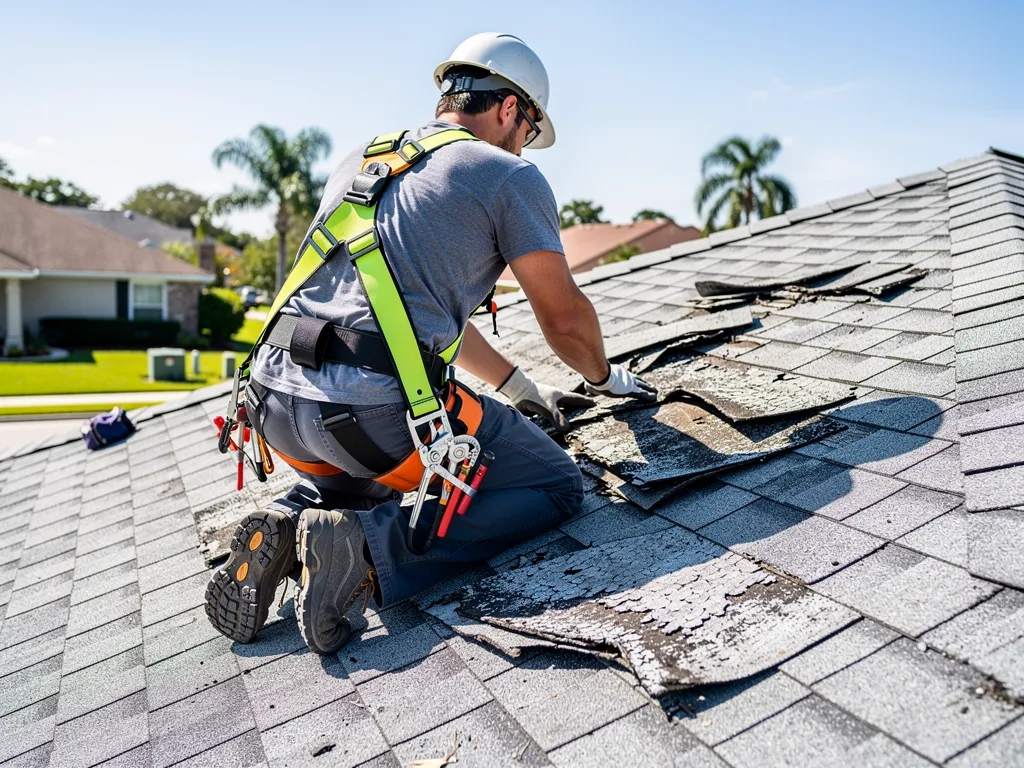
Leaking water stains, missing or curled shingles, and granules in gutters signal roof failure. A roof nearing 20 years often needs replacement over repair. Roofing.co recommends professional inspection for Central Florida homes showing these signs, as storm damage and aging materials compromise structural protection and indoor temperature regulation.
Homeowners determine repair versus replacement by assessing three factors: visible damage, roof age, and cost thresholds. A full replacement makes sense when repair costs exceed 30% of a new roof’s price, according to Kin’s roofing guidance.
The decision balances immediate cost against long-term structural integrity. Minor damage on a newer roof is often fixable. However, replacement becomes the better choice when the roof nears the end of its lifespan or repair expenses cross that 30% threshold.
What Are the Key Signs That Point to Replacement?
Significant visible damage signals replacement over repair. Sagging, leaks, moss growth, gaps, and missing shingles all indicate structural wear that targeted fixes cannot resolve. Homeowners should watch for these warning signs before small problems become major emergencies.
How Does Roof Age Factor Into the Decision?
Every roofing material has an expected service life. A roof nearing that lifespan end typically warrants replacement rather than repeated repairs. Newer roofs with isolated damage often respond well to targeted fixes, preserving the remaining service years.
Roofing.co provides comprehensive inspections and transparent communication to help Central Florida homeowners make informed decisions. The company’s educational approach ensures clients understand exactly what their roof needs and why. For a deeper breakdown of deterioration signals like curled shingles and water stains, homeowners can review this guide on repair vs. replacement factors.
What Are the Warning Signs of Roof Aging?
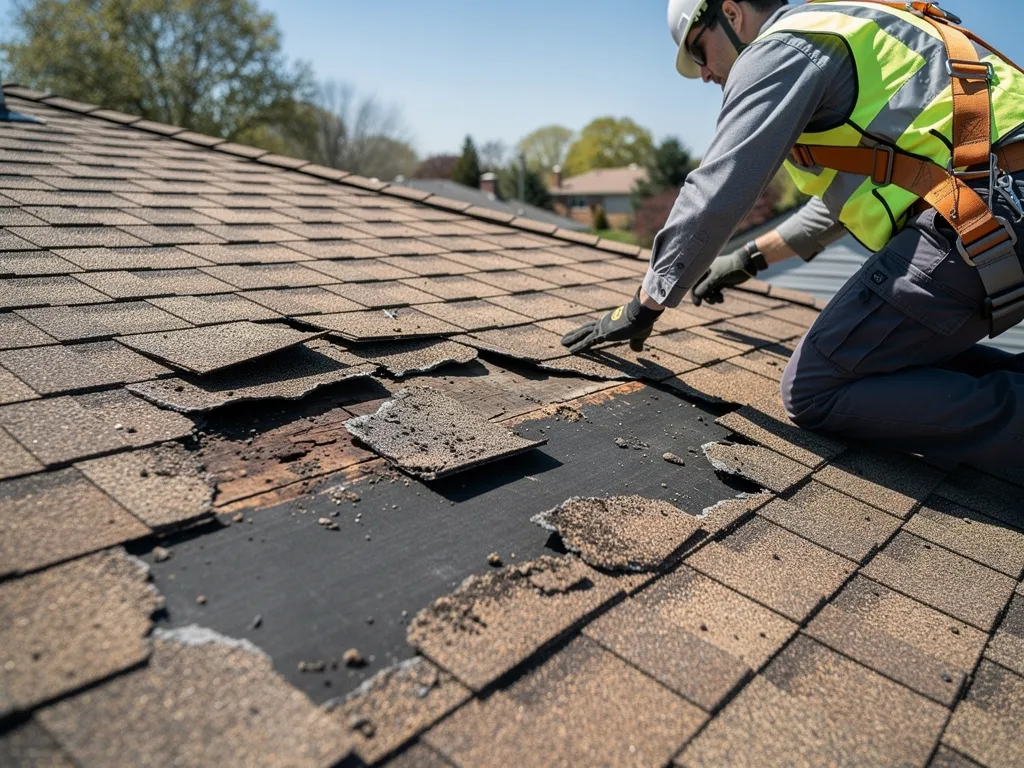
Roof aging reveals itself through visible wear that homeowners often overlook until damage spreads. Curling shingles, missing pieces, and granule loss signal a roof approaching the end of its service life. Roof problems typically start small and worsen progressively over time. Early detection prevents minor issues from becoming major emergencies.
What Does an Aging Roof Look Like?
Asphalt shingles, metal roofing, and other systems age differently. Once a roof nears the end of that lifespan, frequent repairs become less cost-effective. Homeowners should watch for these warning signs:
- Curling or buckling shingles that no longer lie flat
- Missing shingles exposing the underlayment beneath
- Bald spots where granules have worn away
- Visible sagging along the roofline
When Should Homeowners Stop Repairing and Start Replacing?
A roof nearing the end of its lifespan often shows visible wear like curling or missing shingles. That wear makes frequent repairs less cost-effective. Roofing.co sources roofing materials from industry-leading manufacturers to ensure long-lasting performance. The company’s product selection supports roofs built to endure Central Florida conditions.
How Does Early Detection Save Money?
Roof problems often start small and worsen over time. A minor issue caught early costs far less than a structural failure discovered late. Homeowners who inspect roofs regularly avoid emergency replacement costs and interior water damage.
When Should You Inspect for Storm Damage?
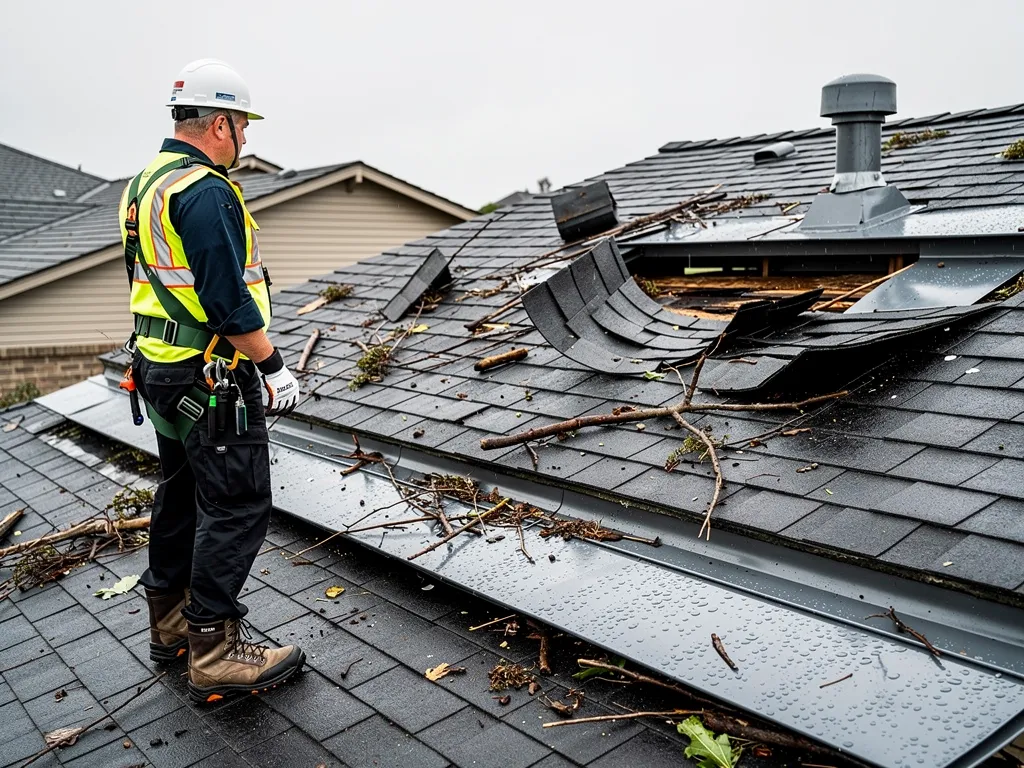
Storm damage inspections should happen immediately after any severe weather event passes through Central Florida. Waiting even 48 hours allows moisture intrusion to compound, turning minor shingle damage into structural decay. Roofing.co specializes in storm damage repairs, helping Central Florida homeowners address weather-related issues promptly before secondary damage takes hold.
What visible signs indicate storm damage requires professional attention?
Visible signs like leaks, missing shingles, or sagging indicate the need for a professional roof inspection. Kin’s roofing guide notes that homeowners should consider replacement when they notice significant damage such as sagging, leaks, moss growth, gaps, or missing shingles. These symptoms rarely resolve on their own. A single missing shingle exposes the underlayment to UV degradation and water penetration, accelerating deterioration across adjacent roofing sections.
How quickly should homeowners act after spotting storm damage?
Taking action early gives homeowners control over the replacement process, contractor selection, and budget. Openly’s 2026 guide on roof warning signs emphasizes that early detection prevents minor issues from becoming major emergencies. Delaying an inspection forfeits that control. Insurance claim windows narrow, contractor availability tightens after widespread storms, and repair costs escalate as water migrates from the roof deck into attic insulation and interior drywall.
The inspection sequence follows a logical order:
- Conduct a ground-level visual sweep for displaced shingles, dented flashing, or debris accumulation.
- Check interior ceilings and attic spaces for water stains, damp insulation, or daylight penetration.
- Document all findings with dated photographs before temporary tarping begins.
- Schedule a professional assessment through Roofing.co to evaluate hidden structural compromise.
Post-storm inspections catch damage that ground-level observations miss. Lifted shingle seals, hairline cracks in vent boots, and displaced ridge caps demand trained evaluation. Roofing.co’s storm damage expertise ensures these subtle failures receive attention before the next weather system arrives.
What Interior Signs Point to Roof Failure?
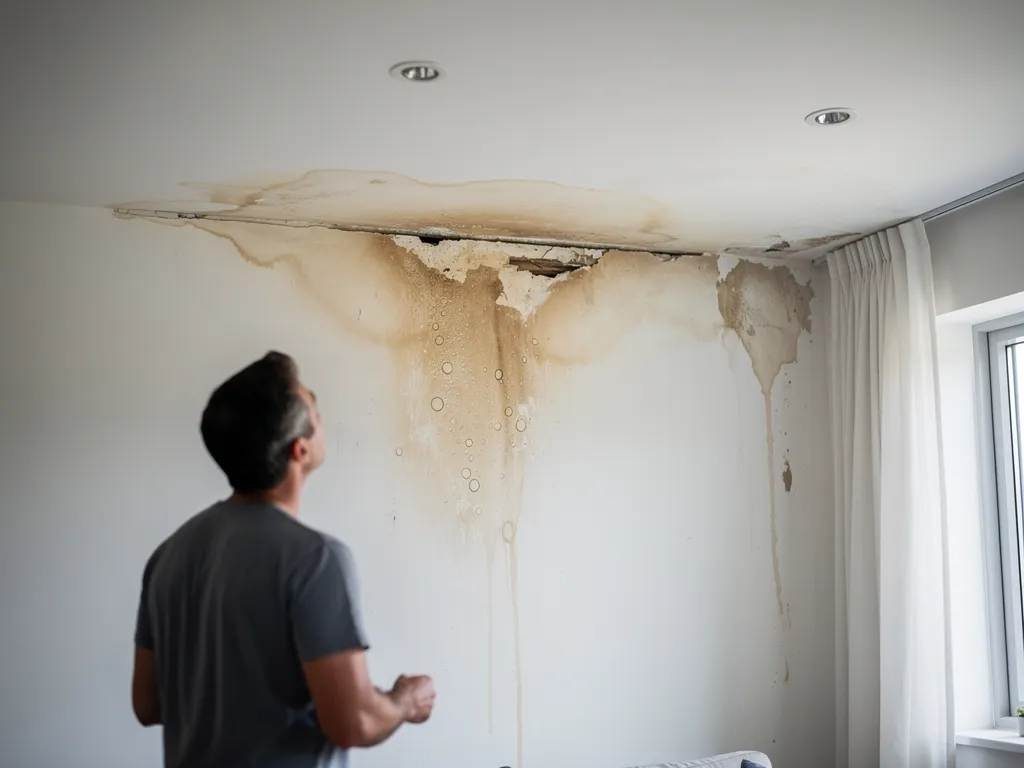
Interior warning signs often reveal roof damage before exterior symptoms become obvious. Water stains on ceilings or walls indicate active leaks that demand immediate professional assessment. A roof protects against water damage and helps regulate indoor temperature, so interior issues signal structural problems that worsen rapidly when ignored.
What do water stains on ceilings actually mean?
Water stains point to moisture breaching the roof’s protective layers. These discolorations appear brown, yellow, or copper-toned and expand after heavy rain. A stain means water has already saturated insulation and drywall. Delaying action allows mold growth and wood rot to spread into framing members.
Can interior damage exist without visible exterior roof problems?
Yes. Leaks often travel along rafters or trusses before dripping onto ceilings far from the original entry point. Homeowners spot stains in one room while the roof breach sits several feet away. This hidden pathway makes professional inspection essential. Roofing.co’s educational approach ensures homeowners understand what interior damage means for their roof’s health, not just where water appears.
Additional interior indicators include peeling paint near rooflines, damp attic insulation, and unexplained musty odors. Light visible through attic boards signals gaps that admit both water and pests. Each sign points toward a compromised roofing system. The company’s transparent communication helps clients connect these interior clues to the roof’s actual condition before small leaks become structural emergencies.
How Do You Choose Between Repair and Replacement?
The decision between roof repair and replacement hinges on damage extent, material age, and comparative cost. A full replacement becomes the better choice when repair costs exceed 30% of a new roof’s price. Delaying replacement of an aging roof often leads to emergency failures that cost homeowners far more than planned projects.
Roofing.co’s skilled, licensed team brings over 20 years of experience to every inspection. The company evaluates each roof against clear, objective criteria rather than pushing unnecessary work. Transparent communication ensures clients understand exactly what their roof needs and why. No homeowner gets kept in the dark about project details or pricing.
What Factors Make Replacement the Smarter Choice?
Three primary factors point toward replacement over repair. First, widespread shingle deterioration across multiple roof sections signals systemic aging rather than isolated damage. Second, structural issues like sagging decking or persistent leaks indicate underlying failure that patches cannot fix. Third, a roof nearing the end of its material lifespan rarely benefits from incremental repairs.
How Does Early Planning Prevent Costly Emergencies?
Many homeowners dread roofing projects because of unexpected expense. Waiting until a roof fails forces rushed decisions and emergency pricing. Roofing.co helps clients plan replacements on their own timeline, securing better pricing and avoiding the stress of sudden failure. Early action gives homeowners control over contractor selection, material choices, and budget management.
**** starts with a professional inspection. Roofing.co provides thorough assessments that weigh damage severity against remaining roof life. The company’s educational approach builds trust by explaining every finding in plain terms. Clients receive clear recommendations backed by evidence, not sales pressure.
FAQ
What are the key signs that my roof needs replacement?
Sagging, leaks, moss growth, gaps, and missing shingles signal structural wear that targeted fixes cannot resolve.
How does roof age affect the repair versus replacement decision?
A roof nearing its expected service life end typically warrants replacement, while newer roofs with isolated damage respond well to targeted fixes.
When should I stop repairing and start replacing my roof?
Replace when repair costs exceed 30% of a new roof’s price or when the roof nears the end of its lifespan.
Conclusion
Recognizing the signs of roof failure, from water stains and missing shingles to sagging decking, gives homeowners the power to act before a minor issue becomes a structural emergency. A professional inspection provides the clarity needed to decide between targeted repair and full replacement, ensuring the choice aligns with the roof’s actual condition and remaining lifespan. Scheduling that assessment now puts the homeowner in control of the timeline, the budget, and the outcome.
