
Essential Roof Installation Questions Every Homeowner Must Ask
Oct 02, 2026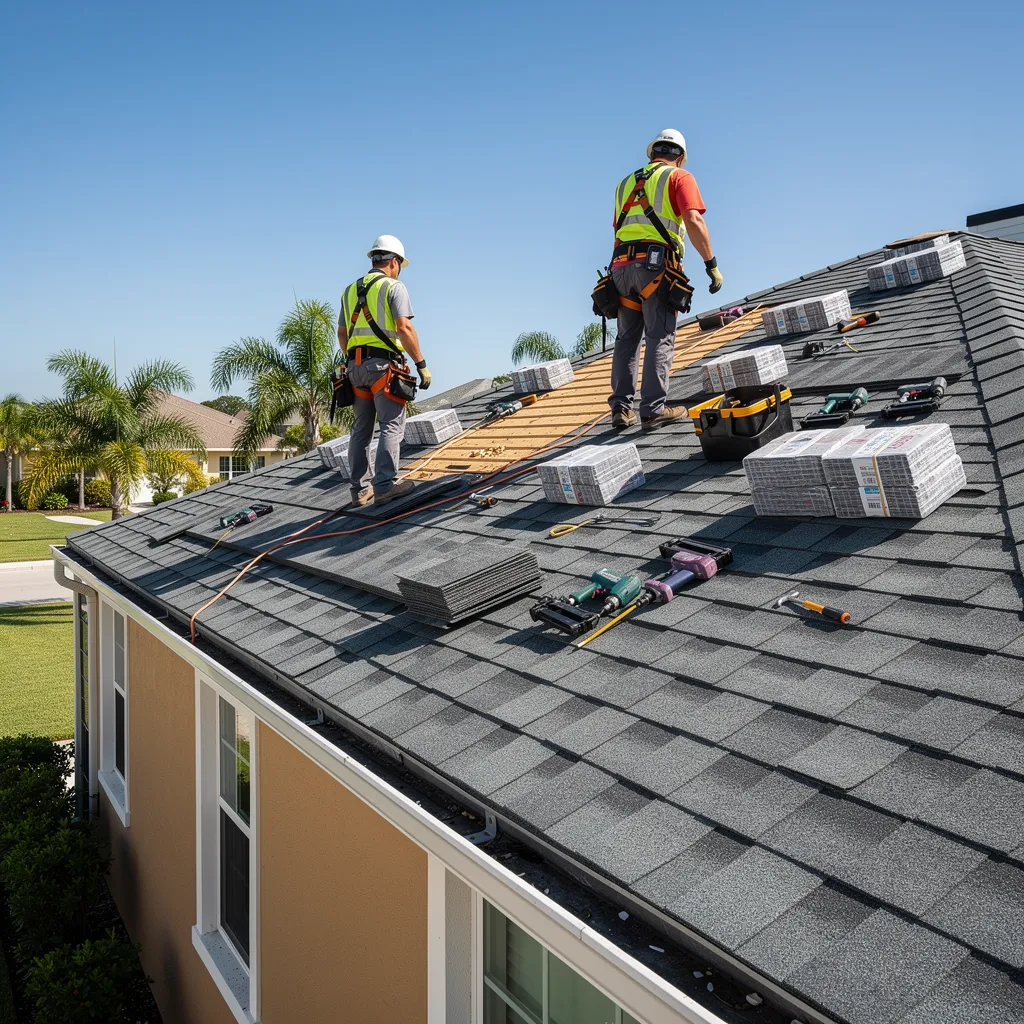
St. Petersburg homeowners planning a roof installation should ask about licensing, insurance, FORTIFIED certification, warranty terms, and material options before signing a contract. Roofing.co recommends confirming workman’s compensation coverage and requesting a clear project timeline. Direct communication with a contractor, from estimate through completion, protects against costly surprises and ensures the new roof withstands Central Florida’s severe weather.
Is your roofer licensed and insured in Florida?
Florida state law requires roofing contractors to hold a valid license. A licensed contractor is more likely to be familiar with local building codes than out-of-town contractors. That knowledge matters in St. Petersburg homes, where hurricane standards and wind-load requirements are strict. The state licensure board also provides a legal path for recourse if issues arise with the work.
What type of insurance does a roofing contractor need?
Roofing contractors need workman’s compensation insurance for their crew. Workman’s compensation protects the contractor’s employees during dangerous work at heights. It also protects the homeowner from liability for on-site injuries. A roofer without this insurance leaves the homeowner financially exposed if an accident happens on the property.
What happens when a contractor is not licensed?
Hiring an unlicensed roofer creates serious risk for St. Petersburg homeowners. The homeowner has no legal recourse through state licensing boards when problems develop. Warranty promises from unlicensed contractors are nearly impossible to enforce. Repair costs for poor workmanship then fall entirely on the homeowner.
| License & Insurance Check | Why It Matters |
|---|---|
| Valid Florida roofing license | Contractor knows local storm codes |
| Workman’s compensation | Homeowner carries no injury liability |
| General liability insurance | Coverage for property damage |
| State board registration | Dispute resolution channel exists |
Roof Installation Questions for Homeowners should always begin with license verification. A company like Roofing.co fields a team of skilled, licensed roofers with more than 20 years of combined experience. That team completes every St. Petersburg project with precision and care. Homeowners can verify credentials before any work starts.
What materials and brands do you use?
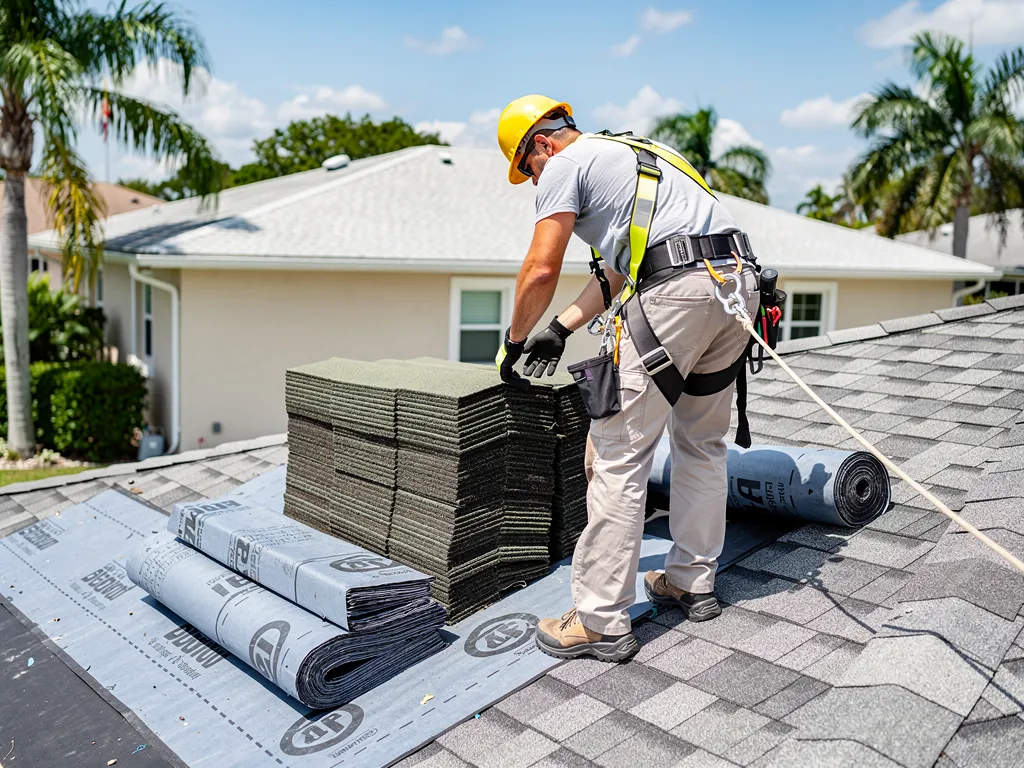
Roofing.co sources roofing materials from industry-leading manufacturers. This ensures customers receive a top-quality roof built to last. With many options for materials, styles, colors, and installation techniques, the metal roofing landscape can feel overwhelming. Transparent communication and clear expectations are the biggest factors for a successful project.
These are essential Roof Installation Questions for Homeowners to ask before signing a contract. A reputable contractor explains why specific materials suit St. Petersburg’s climate and local building codes. The right choice balances durability, energy efficiency, and curb appeal.
How do I know which material is right for my home?
The best material depends on roof slope, exposure to sun and storms, and budget. Asphalt shingles remain a popular choice for affordability and ease of repair. Metal panels offer superior longevity and reflect heat, reducing cooling costs in Florida summers. Tile roofs provide a distinctive look but require stronger structural support. A contractor should walk through each option’s pros and cons without pressure.
What should I look for in a manufacturer’s warranty?
Warranties vary by manufacturer and product line. Homeowners should ask about coverage length, what defects are included, and whether labor is covered. Industry-leading manufacturers typically offer 25‑ to 50‑year warranties on materials. The contractor should provide written warranty details before work begins.
| Material Type | Typical Lifespan | Key Benefit for St. Petersburg |
|---|---|---|
| Asphalt shingles | 20–30 years | Cost‑effective, easy to repair |
| Metal panels | 40–70 years | High wind resistance, energy savings |
| Clay/concrete tile | 50+ years | Fire resistant, classic appearance |
A contractor who prioritizes education will help homeowners compare these options. Asking about materials and brands upfront prevents surprises and builds trust from the start.
How do you handle storm damage and wind resistance?
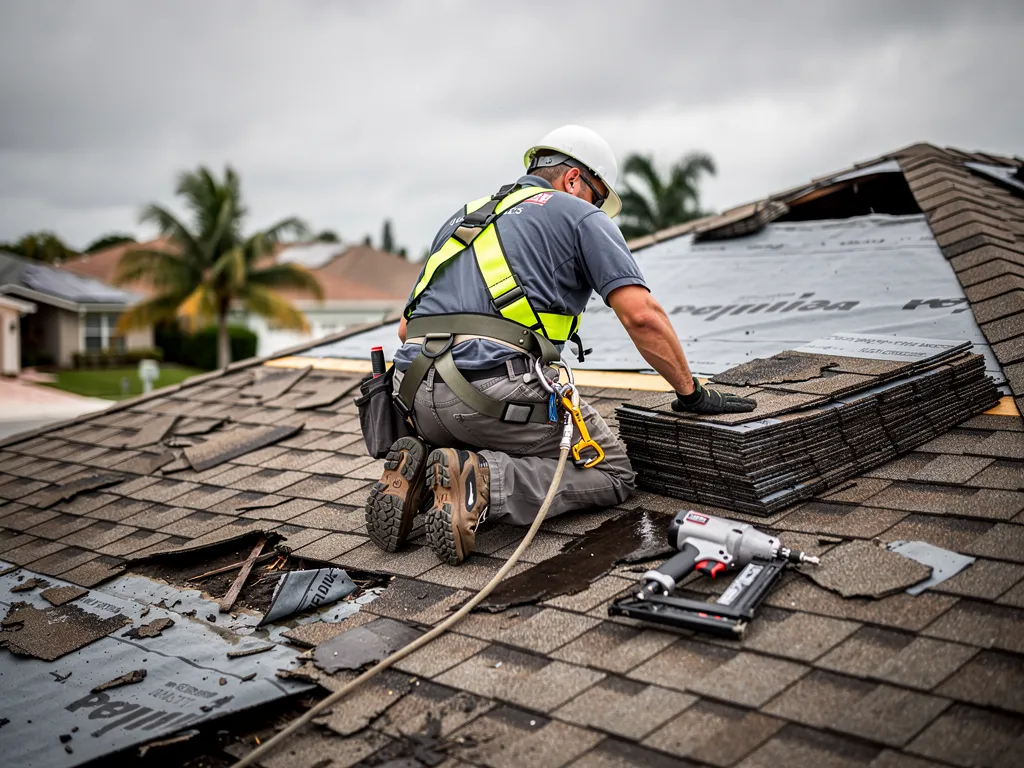
Storm damage repairs are a core specialty for Roofing.co, a company trusted across Central Florida for restoring homes after severe weather. Homeowners in St. Petersburg face real threats from tropical storms and high winds, so a roofing partner must understand local conditions. The company’s expertise covers the full cycle, from initial damage assessment through complete restoration.
A key defense against severe weather comes from FORTIFIED certification. A certified FORTIFIED roofing contractor has been trained on the best ways to defend a roof against severe weather. Understands the program’s strict verification process. This training translates into installation methods that hold up when the next storm system moves through Tampa Bay.
Roofing.co offers a range of services that support storm readiness, including:
- [Roof replacement](https://roofing.co/roofing-services/roof-installation/) with high-quality materials
- [Roof repair](https://roofing.co/roofing-services/roof-repair/) for active leaks or wind damage
- [Roof inspection](https://roofing.co/roofing-services/roof-inspection/) to catch weak points before a storm hits
- Roof installation built to withstand regional weather patterns
How does FORTIFIED certification benefit a St. Petersburg home?
FORTIFIED certification gives homeowners a documented standard for storm resilience. The verification process checks specific construction details that matter during high-wind events. Choosing a certified contractor means the work follows a proven system rather than guesswork.
What should a homeowner do immediately after storm damage?
A prompt inspection prevents small issues from becoming major structural problems. Roofing.co’s team assesses the damage and explains the repair or replacement path clearly. Acting quickly also helps homeowners document the damage for insurance purposes.
Will you handle permits and local building codes?
A roofing contractor should manage permit applications and code compliance as part of the project. Homeowners need to ask this question directly before signing any contract. The answer separates a professional operation from a crew that cuts corners.
Why does permit handling matter for St. Petersburg homeowners?
St. Petersburg enforces specific building codes that govern roof installations. These codes cover wind resistance, material specifications, and attachment methods. A contractor who handles permits takes responsibility for meeting those standards. The homeowner avoids the risk of failed inspections or costly rework later.
What happens when a contractor ignores local codes?
An unpermitted roof installation creates serious problems. The city can issue stop-work orders that delay the project by weeks. Insurance companies may deny storm damage claims on unpermitted work. Homeowners selling their property face disclosure requirements that reduce resale value. The financial loss from a single code violation often exceeds the cost of proper permitting.
How does Roofing.co approach permits and code compliance?
Roofing.co’s educational approach ensures homeowners understand every step of the permitting process. The company maintains transparent communication about local requirements from the initial consultation through final inspection. This commitment to customer education helps clients make informed decisions about their roofing investment. The transparent methods and use of top-notch products foster trust throughout the project timeline.
Key questions to ask about permits and codes:
- Will the contractor pull all required permits on the homeowner’s behalf?
- Does the contractor carry current knowledge of St. Petersburg’s specific building codes?
- Who handles communication with local inspectors during the permit process?
- What happens if an inspection reveals a code violation during installation?
A contractor who handles permits and compliance delivers peace of mind. The homeowner avoids legal liability and ensures the roof meets every local standard. This single question reveals whether a roofer operates professionally or takes shortcuts that cost homeowners later.
What does your warranty cover and for how long?
A warranty protects a homeowner only when its terms appear in writing. Every roofing contract should spell out the scope of work, the timeline, the costs, and the full warranty terms before any crew arrives. Homeowners in St. Petersburg who skip this step risk discovering coverage gaps after an expensive installation is complete.
Roof Installation Questions for Homeowners should always include a direct request for the warranty document. A verbal promise carries no weight when a leak appears two years later. The written contract serves as the single source of truth for what the manufacturer covers and what the installer covers.
What should a written roofing contract include?
The contract must outline four elements clearly: the exact scope of work, the project timeline, the total costs, and the warranty terms. Each item deserves its own line item. Vague language such as “standard coverage” leaves too much room for interpretation when a claim arises.
How does a contractor’s warranty approach affect long-term value?
A roofing company that aims to be the only contractor a homeowner needs for the entire lifespan of a new roof builds its reputation on standing behind its work. That commitment shows up in how clearly the company explains warranty coverage before the project starts. Homeowners should expect the same transparency during the warranty discussion that they receive during the estimate process.
| Warranty Element | What Homeowners Should Verify |
|---|---|
| Scope of work | Exact materials and labor covered |
| Timeline | Duration of coverage in years |
| Costs | What repairs or replacements cost the homeowner |
| Terms | Conditions that could void the warranty |
A contractor that combines industry expertise with innovative technology delivers clearer warranty documentation and more reliable follow-through. Homeowners who ask pointed questions about coverage before signing protect their investment for decades. The right contractor welcomes those questions and answers them in writing.
FAQ
Is your roofer licensed and insured in Florida?
A valid Florida roofing license ensures familiarity with local building codes, hurricane standards, and wind-load requirements. Licensed contractors also give homeowners legal recourse through the state licensure board if issues arise with the work.
What type of insurance does a roofing contractor need?
Roofing contractors need workman’s compensation insurance to protect their crew during dangerous work at heights. This coverage also protects the homeowner from liability for on-site injuries during the project.
What materials and brands does the contractor use?
Roofing.co sources materials from industry-leading manufacturers, ensuring a top-quality roof built to last. The right material choice depends on St. Petersburg’s climate, local building codes, and each homeowner’s budget and style preferences.
What is FORTIFIED certification, and why does it matter?
FORTIFIED certification is a documented standard that verifies a roof was built to withstand severe wind and storm conditions. A FORTIFIED-trained contractor follows a proven set of construction methods rather than general guesswork, giving St. Petersburg homeowners added confidence the roof can handle Tampa Bay’s weather.
Will the contractor handle permits and inspections?
A professional roofing contractor pulls all required permits and manages inspections with the local building department. Homeowners should confirm this before signing, since an unpermitted installation can trigger stop-work orders, denied insurance claims, and resale complications later.
How long should a roof warranty last?
Warranty length varies by manufacturer and material, with many industry-leading products covered for 25 to 50 years. Every roofing contract should spell out the warranty terms in writing, including what the manufacturer covers versus what the installer covers.
How soon should I call a roofer after storm damage?
Homeowners should schedule an inspection as soon as possible after a storm. A prompt inspection catches small issues before they become structural problems and helps document damage for insurance purposes.
Conclusion
In closing, asking the right questions about your roof installation empowers you to make decisions that protect your home for years to come. By understanding materials, timelines, warranties, and contractor credentials, you transform the installation process from a source of uncertainty into a straightforward partnership. Roofing.co’s commitment to transparent communication and comprehensive customer education means you’ll never navigate this journey alone, our team stands ready to answer every question and deliver the exceptional craftsmanship your St. Petersburg home deserves.
