
How Long Can I Expect a New Roof to Last in Florida?
Sep 11, 2026
A well-maintained roof in Florida lasts 15 to 25 years for asphalt shingles, 40 to 70 years for metal, and 50-plus years for tile, according to Roofing.co’s guidance. Regular inspections catch UV, humidity, and hurricane damage early. Consistent maintenance separates a roof lasting 15 years from one reaching 25 or beyond.
How Long Can I Expect a New Roof to Last With Proper Maintenance?
A new roof in Florida delivers a dramatically different lifespan depending on the material chosen and the maintenance schedule followed. Asphalt shingle roofs typically last 15 to 25 years with proper care. Metal roofs extend that range to 40 to 70 years. Tile roofs can perform for 50 years or more. These numbers reflect Florida’s punishing climate, where intense UV radiation, high humidity, and hurricane season all cut into national averages. Without regular inspections and maintenance, a roof that could have reached 25 years may fail at 15.
What Factors Shorten a Roof’s Life in Florida?
Florida’s environment attacks roofing materials from every angle. The sun’s UV rays degrade asphalt shingles faster than in northern states. Humidity promotes moisture retention and biological growth like algae and moss. Hurricane-force winds test every seam, flashing point, and fastener. These three stressors — UV, humidity, and storms — compress the expected lifespan of every roofing system compared to national benchmarks.
| Roof Material | Florida Lifespan (Maintained) | National Average |
|---|---|---|
| Asphalt Shingle | 15–25 years | 20–30 years |
| Metal | 40–70 years | 40–80 years |
| Tile | 50+ years | 50–100 years |
How Does Maintenance Change the Outcome?
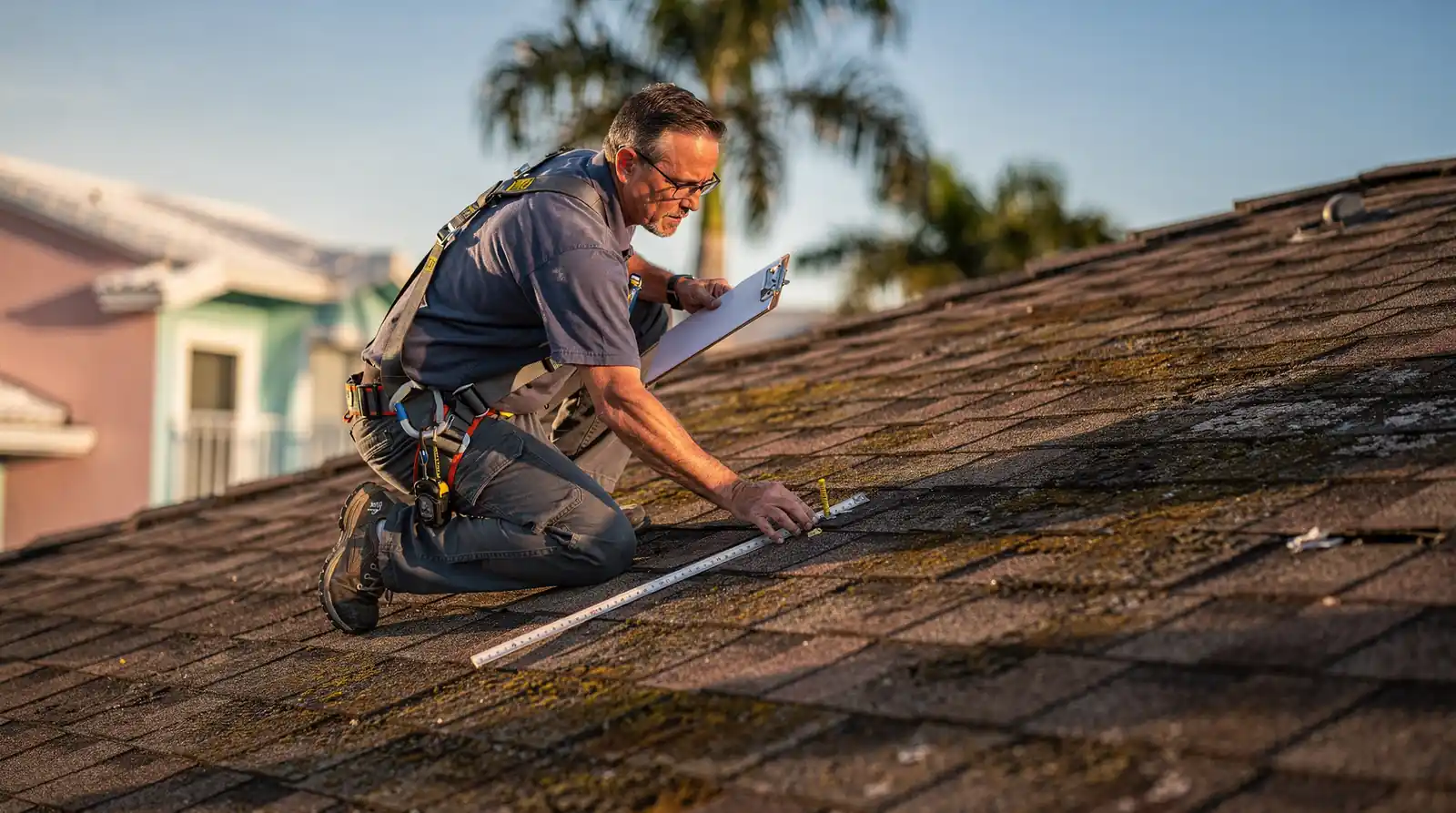
Regular inspections and maintenance are what separate a roof that lasts 15 years from one that goes 25. A proactive homeowner who schedules biannual inspections, clears debris, and addresses minor repairs immediately can add a decade or more to the roof’s working life. Neglect accelerates deterioration, especially after storm events where small leaks become structural problems.
What Does Florida’s 15-Year Roof Rule Actually Mean?
Florida’s 15-year roof rule (Florida Statute § 627.7011(5)) regulates when an insurance company can deny coverage based on a roof’s age, not when a roof must be replaced. If a roof is less than 15 years old, the insurer cannot refuse coverage simply because of the roof’s age. This distinction matters for every homeowner in Central Florida considering a roof replacement or repair.
Is a 15-Year-Old Roof Automatically Uninsurable?
No. The law does not require roof replacement at 15 years. Many homeowners mistakenly believe, based on contractor claims, that every roof must be torn off and replaced once it crosses that age threshold. Insurance companies evaluate roofs individually based on condition, remaining life, and damage, not solely on the calendar.
Why Do Some Contractors Misrepresent This Rule?
Across Florida, some shingle-only roofing contractors deliberately misstate the 15-year rule to scare homeowners away from metal roofing systems. The tactic works like this:
- Contractors tell homeowners: “Metal roofs only last 15 years under this statute, so don’t waste your money.”
- This claim is false—100% false, according to the actual statute and insurance regulations.
- The real motive is to prevent lost business to roofers who install metal.
Homeowners who hear this scare tactic lose the opportunity to consider a material that can last 40 to 70 years. The rule protects homeowners younger than 15 years from age-based denial, not mandate replacement at year 15.
How Does Florida’s Climate Affect Roof Lifespan?
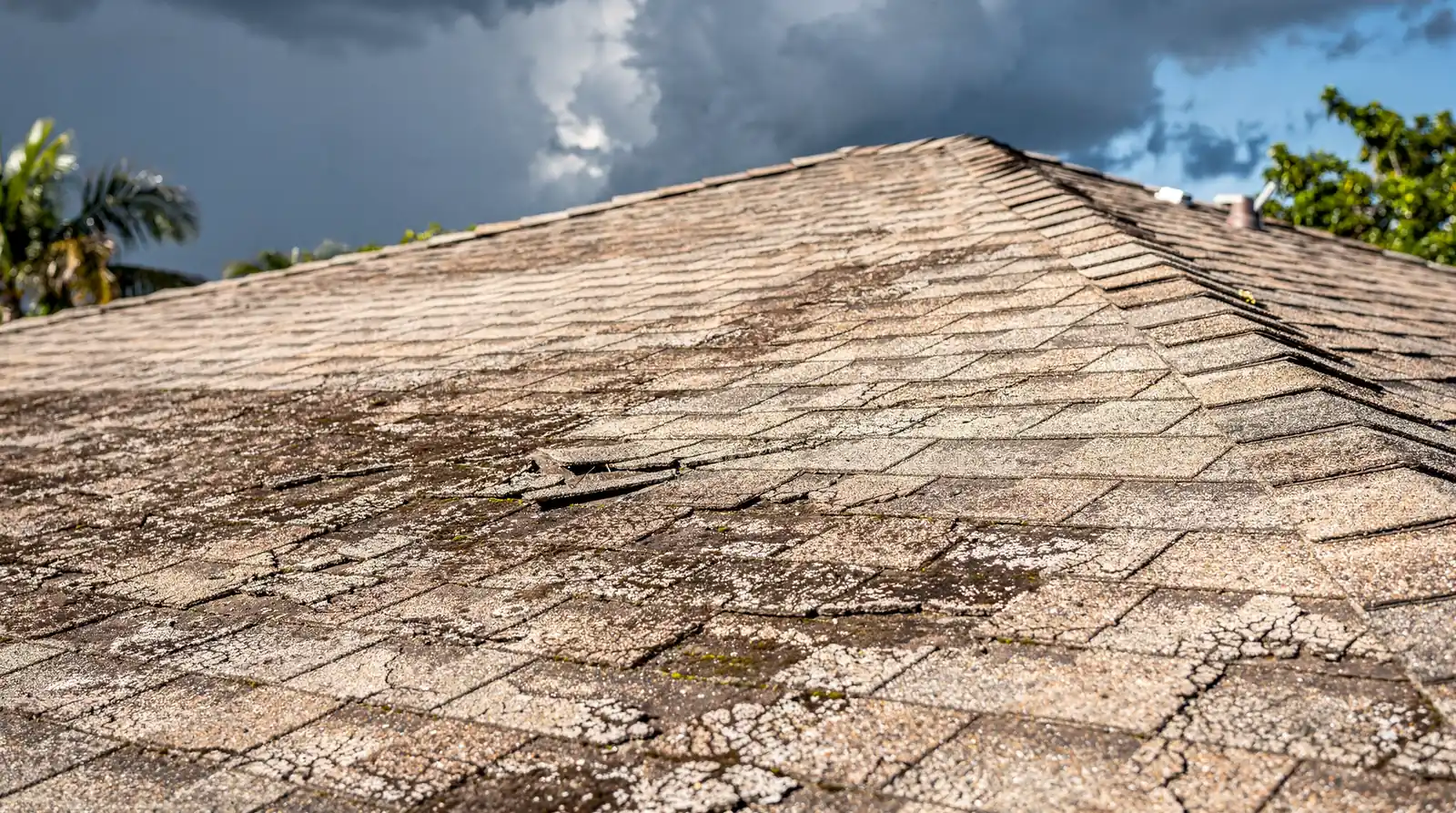
Florida’s climate hits roofs with three relentless forces: intense UV radiation, extreme humidity, and the constant threat of hurricanes. This combination creates a far harsher environment than most of the country faces, accelerating wear on every roofing material type. A roof that might last 30 years in a temperate climate may need replacement at half that age in Central Florida.
How Does UV Radiation Damage Roofing Materials?
The Florida sun bombards roofing surfaces with ultraviolet rays that break down asphalt shingles from the top down. Granules loosen and wash away, exposing the underlying mat to further degradation. Metal roofs reflect more UV but still expand and contract under daily heat cycles, stressing fasteners and seams. Without this solar assault, shingle roofs would retain their protective surface far longer than the 15 to 25 years typical in Florida.
Hurricanes and tropical storms create an even more immediate threat. These systems often tear off shingles, elevator flashing, and drive rainwater into vulnerable seams. Knowing how many years remain on a roof helps homeowners decide when to replace it before the next major storm turns a manageable project into an emergency.
What Role Does the Underlayment Play in Tile Roofs?
Tile roofing installs over an asphalt underlayment that serves as the true waterproof layer. If water seeps under the tile — which happens when wind-driven rain finds a gap — it erodes this asphalt underlayment. The damage creates pot-holes similar to those seen on asphalt roads, compromising the roof’s ability to shed water. Shelling out for tile without inspecting and replacing the underlayment leaves the most critical component exposed to Florida’s punishing elements.
What Maintenance Extends Your Roof’s Life in Florida?
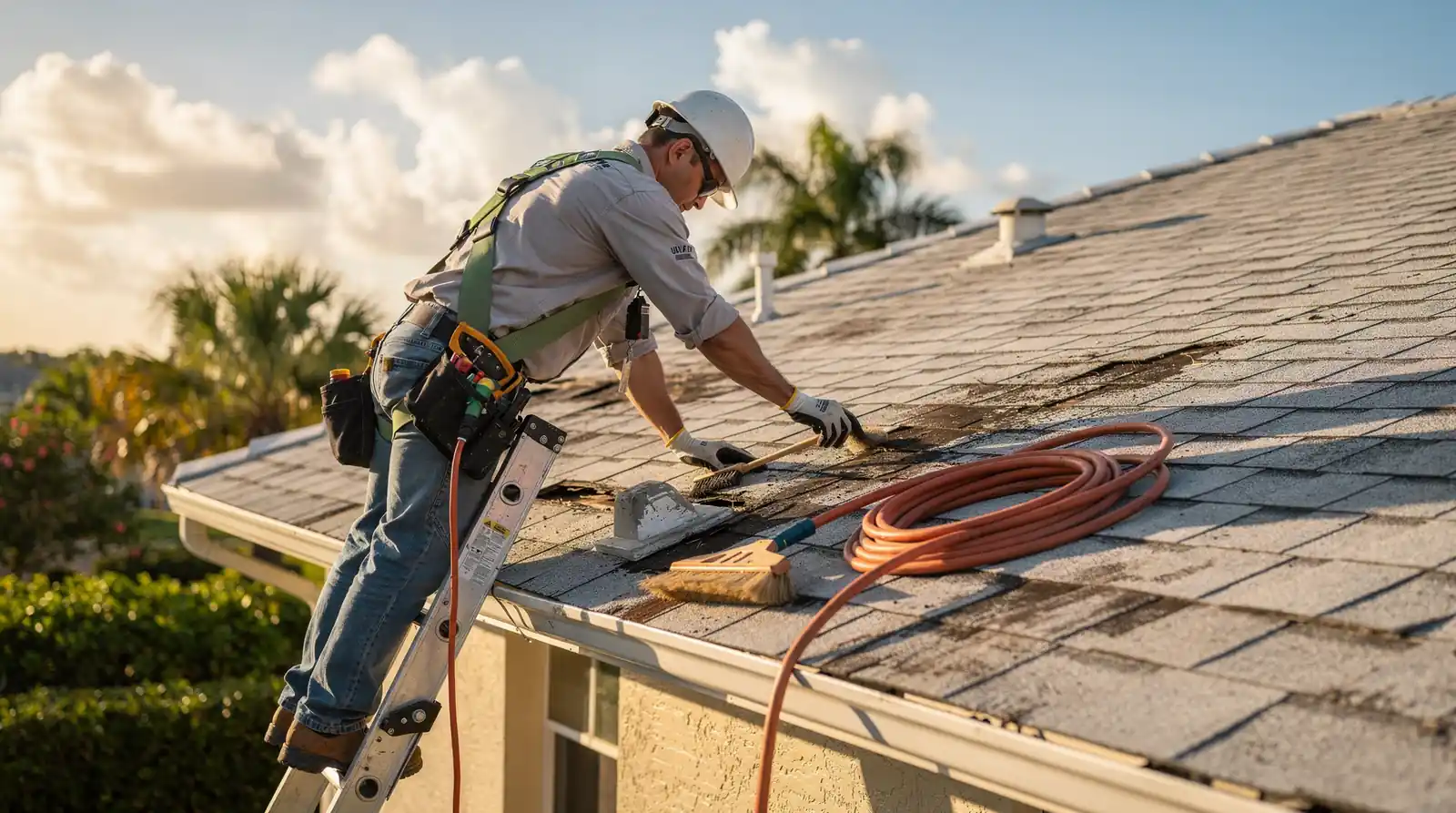
Florida’s intense UV exposure, humidity, and hurricane season demand a maintenance routine far more aggressive than national standards. A roof that receives biannual professional inspections and prompt minor repairs can add 5 to 10 years to its expected lifespan, while neglected roofs often fail a decade early. Roofing.co, with over 20 years of industry experience, emphasizes that proactive care is the single most cost-effective way to protect a home.
What specific tasks should Florida homeowners prioritize?
Three maintenance actions make the biggest difference in Florida’s climate. Clearing debris from valleys, gutters, and around vents prevents water pooling that accelerates shingle deterioration. Sealing flashings around chimneys, skylights, and pipe boots stops the most common entry point for leaks during tropical storms. Trimming overhanging branches reduces moss growth and prevents impact damage from falling limbs during high winds.
How often should inspections happen?
Professional inspections should occur twice per year: once before hurricane season (May–June) and once after peak storm months (October–November). Roofing.co’s transparent approach means homeowners receive a detailed report with photos and clear explanations of any issues found. This educational process ensures clients understand exactly what needs repair and why, eliminating surprises.
What maintenance mistakes shorten roof life?
- Power washing shingles strips protective granules, reducing lifespan by 30–a notable share
- Ignoring small leaks allows moisture to rot decking and compromise structural integrity
- Walking on hot shingles (above 90°F) causes cracking and granule loss
- Delaying storm damage repairs turns a pricing varies fix into a pricing varies replacement
Roofing.co’s skilled, licensed team handles storm damage repairs with the same thoroughness as full replacements. The company’s commitment to using high-quality materials from industry-leading manufacturers means every repair integrates seamlessly with the existing roof system. Homeowners who follow this maintenance schedule. Work with a trusted partner like Roofing.co protect their investment and avoid the financial shock of premature failure.
When Should You Replace Your Roof in Central Florida?
A Central Florida roof replacement becomes necessary when the roof reaches the end of its serviceable life or sustains damage that repairs cannot economically fix. Replacing before the next storm avoids costly insurance surcharges and water damage that a compromised roof invites. Roofing.co serves homeowners across Central Florida including Tampa, Orlando, and Clearwater, helping clients identify the right moment for replacement rather than waiting for a leak to force the decision.
What signs indicate a roof needs replacement?
Several visible warning signs point toward replacement. Curling or missing shingles, granules collecting in gutters, and daylight visible through the attic deck all signal deterioration. Interior water stains on ceilings or walls mean the roof deck has already failed in spots. A roof older than 20 years for asphalt shingles or approaching 40 years for metal deserves professional evaluation regardless of visible condition.
How does storm damage affect replacement timing?
Florida’s hurricane season creates a narrow window for proactive replacement. Waiting until after a storm passes means competing with hundreds of other homeowners for contractor availability, often at premium pricing. Roofing.co aims to be the sole roofing choice over a roof’s entire lifespan, using the latest technology to streamline roofing processes for clients. The company offers add-ons like soffit and fascia installations, addressing peripheral damage during the same replacement project.
| Warning Sign | Action Required |
|---|---|
| Curling or missing shingles | Schedule inspection immediately |
| Interior water stains | Replace before next rainfall |
| Roof over 20 years old | Plan replacement within 12 months |
| Storm damage visible | File insurance claim, then replace |
Delaying replacement past the optimal window increases the risk of structural water damage, mold growth, and higher insurance premiums. A proactive approach protects both the home and the homeowner’s budget.
FAQ
How long does a maintained asphalt shingle roof last in Florida?
A maintained asphalt shingle roof lasts 15 to 25 years in Florida, according to Roofing.co’s guidance, due to intense UV exposure, humidity, and hurricane season stress.
Does turning 15 years old mean a Florida roof must be replaced?
No, Florida’s 15-year roof rule only governs when insurers can deny coverage based on age. It does not require homeowners to replace the roof at that point.
What roofing material lasts the longest in Florida with proper care?
Tile roofs last the longest, performing for 50 years or more when maintained, followed by metal roofs at 40 to 70 years and asphalt shingles at 15 to 25 years.
Conclusion
In closing, a well-maintained roof in Florida stands as one of your home’s most valuable investments, protecting your family and property through years of intense sun, humidity, and severe weather. By partnering with Roofing.co’s experienced team for regular inspections. Timely maintenance, you ensure your roof reaches its full lifespan potential. Our commitment to transparent communication and quality craftsmanship means you’ll never wonder about your roof’s condition—we keep you informed every step of the way, making us your trusted roofing partner for decades to come.
